
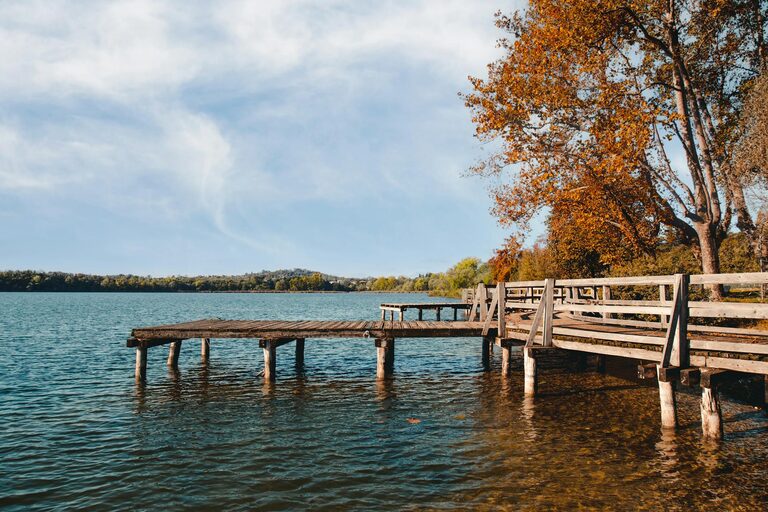
Taking time off during the weekend should be a chance to relax and unwind. However, it’s easy for weekends to become filled with chores, obligations, or last-minute plans that leave you feeling stressed rather than refreshed. The good news is that a peaceful, no-stress weekend is possible with a bit of thoughtful planning.
In this post, we’ll explore practical tips and strategies to help you design a weekend that promotes calm, joy, and restoration. Whether you want to disconnect from work, spend quality time with loved ones, or enjoy some well-deserved solitude, these ideas will help you make the most of your downtime.
Why Plan a No-Stress Weekend?
Before diving into the planning steps, it’s helpful to understand why this matters. Weekends have the potential to reset your energy and improve your mood for the week ahead. Without intentional planning, stress can creep back in and reduce these benefits. By creating a clear plan, you avoid rushing and feeling overwhelmed, giving yourself permission to slow down and enjoy the moment.
Step 1: Prioritize Your Relaxation Goals
Start by thinking about what “no-stress” means to you. Everyone’s ideal weekend looks different. Ask yourself:
– What activities help me feel calm and refreshed?
– Do I prefer quiet time alone or socializing with close friends or family?
– Are there any obligations I need to address, or can this be a completely free weekend?
Write down a few goals or intentions. For example, your weekend could focus on getting enough sleep, spending time outdoors, or disconnecting from digital devices.
Step 2: Set Boundaries Around Your Time
One key to reducing stress is protecting your weekend from unexpected demands. Communicate your plans clearly with coworkers, friends, and family:
– Let people know you’re taking time off and may not respond immediately.
– Turn off work notifications on your phone and email.
– Say no to invitations or tasks that don’t align with your relaxation goals.
Consider setting specific “no work” hours to help you switch into leisure mode.
Step 3: Prepare in Advance
Planning a no-stress weekend often means handling potential sources of worry ahead of time. Here are some ways to prepare:
– Complete necessary errands or chores on Friday or earlier in the week.
– Meal prep simple dishes or stock up on easy-to-make foods.
– Pack any bags or supplies if you plan to go on a short trip or outdoor adventure.
– Plan your outfit and activities to avoid last-minute decisions.
Step 4: Create a Flexible Itinerary
A common misconception is that planning means scheduling every minute. For a stress-free experience, keep your plans flexible but structured enough to provide guidance. For example:
– Saturday morning: Sleep in, make a leisurely breakfast.
– Afternoon: Enjoy a walk in a nearby park or visit a favorite café.
– Evening: Watch a movie or read a book.
Give yourself permission to swap activities based on how you feel. Flexibility helps maintain relaxation and reduces pressure.
Step 5: Include Self-Care Activities
Incorporate activities that nourish your mind and body:
– Practice gentle yoga, stretching, or meditation.
– Take a relaxing bath or enjoy skincare rituals.
– Listen to calming music or nature sounds.
– Spend time on a creative hobby like painting, writing, or gardening.
Self-care looks different for everyone — choose things that truly make you feel good.
Step 6: Disconnect from Technology
Digital overload can quickly derail relaxation. Try to limit screen time over the weekend by:
– Turning off email and work-related apps.
– Setting specific times to check social media, if at all.
– Enjoying activities that don’t involve screens, such as reading, walking, or cooking.
Reducing technology use can improve sleep and lower stress levels.
Step 7: Practice Mindfulness and Gratitude
Being mindful means fully experiencing your activities and surroundings without rushing. Simple ways to practice mindfulness include:
– Paying attention to your breath during a quiet moment.
– Observing the colors, smells, and sounds around you during a walk.
– Savoring the taste of your food without distractions.
Also, take a few moments to reflect on things you’re grateful for. This positive mindset can deepen your sense of peace.
Step 8: Keep it Social or Solo, Based on Your Needs
Decide if your weekend will be social or solo, depending on what recharges you most:
– Arrange a low-key gathering with close friends or family.
– Plan to spend quality time with a loved one in a calm setting.
– Enjoy solitude by engaging in peaceful activities alone.
Both options can reduce stress as long as they honor your personal preferences.
Tips for Maintaining a No-Stress Mindset Beyond the Weekend
– Start your week with a calm morning routine to carry over relaxation.
– Incorporate short breaks into your daily schedule.
– Set aside time regularly for self-care and mindfulness.
By learning how to plan and protect your relaxation time, you’ll build habits that make stress easier to manage.
—
A no-stress weekend is within your reach with intentional planning and kindness toward yourself. Use these steps as a guide to create a weekend that feels like a genuine break — filled with rest, joy, and restoration. Here’s to more peaceful weekends ahead!